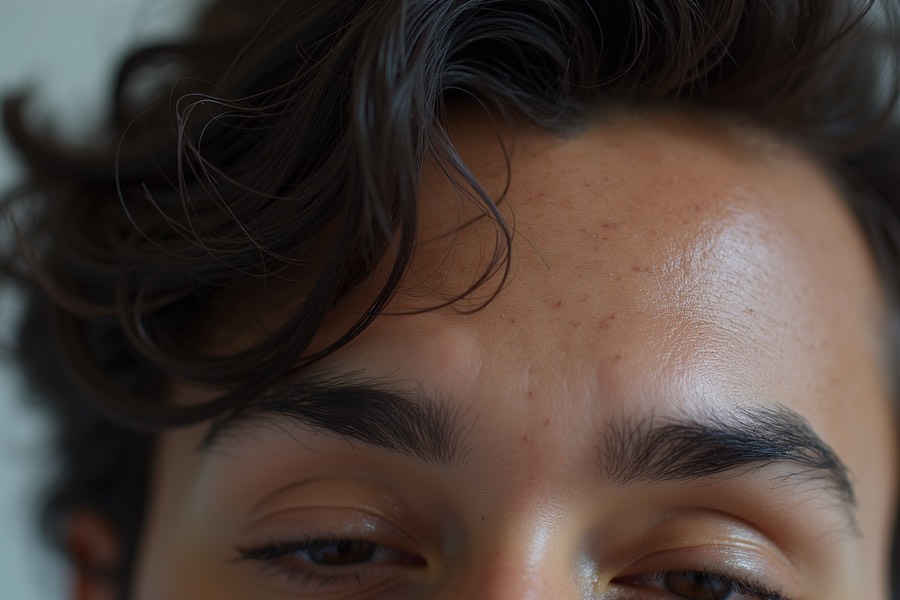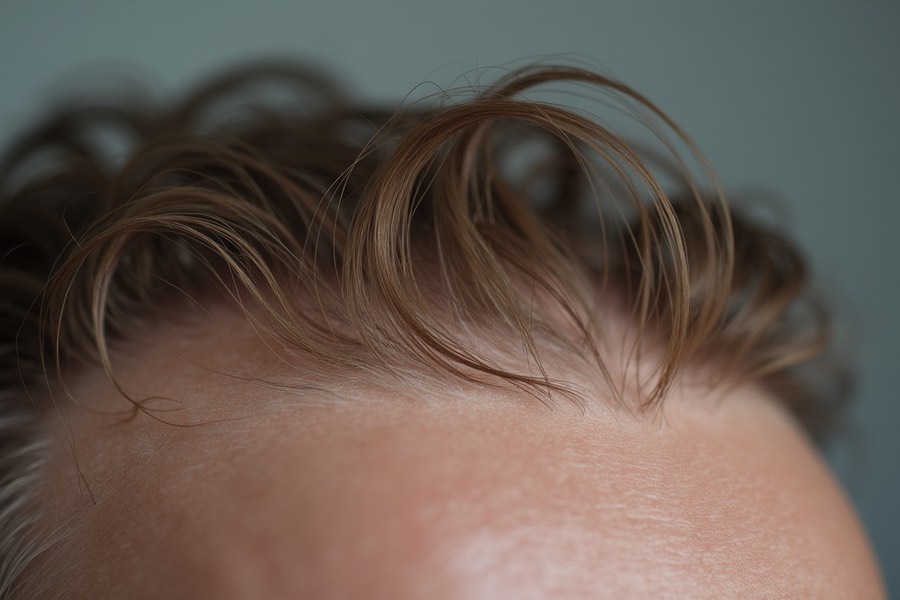
Quick answer: A trichologist is a specialist in hair and scalp health. They work out why your hair is shedding, thinning or breaking, or why your scalp is itchy, flaky or sore, then build a plan to fix it. That can mean in-clinic treatments, home care, changes to how you style your hair, or a nudge to your GP for blood tests or medicine.
We see hair and scalp problems every day at Tess Hair and Scalp Clinic on Botanic Avenue in Belfast, where a trichology clinic and a full hair salon share one roof (and one kettle).
Trichologist meaning: what the word actually means
"Trichologist" comes from the Greek trikhos, meaning hair, plus "-ologist", meaning someone who studies something. So a trichologist is, quite literally, a professional hair-studier. (It sounds much grander in Greek. Most things do.)
It's pronounced trih-KOL-uh-jist. If you've been saying "tri-CHOL-ogist" in your head, you're in very good company. My phone has spent years trying to autocorrect it to "tricycle", and honestly, I've stopped fighting it.
The short version: a trichologist is a hair and scalp specialist. Not quite a hairdresser (although some of us are both), and not a medical doctor (more on that below, I promise it's less boring than it sounds).
What does a trichologist treat?
A trichologist looks after almost anything that goes wrong with your hair or scalp. The most common reasons people book in are:
Shedding. More hair than usual in your brush, the shower or on your pillow. Losing 50 to 100 hairs a day is normal, according to the American Academy of Dermatology. Your plughole growing a small, furry pet is not.
Thinning. A wider parting, a see-through crown, or a ponytail that's lost its oomph.
Patchy hair loss. Round, smooth bald patches, often alopecia areata, which we look at alongside your GP.
Thinning edges. Hair loss along the hairline from tight braids, weaves, ponytails or wigs. The official name is traction alopecia.
Breakage. Hair snapping off short rather than falling out from the root.
Scalp problems. Itching, flaking, dandruff, redness, soreness, greasiness or buildup that no shampoo seems to shift.
If you recognised yourself in that list, don't panic. (Panicking is bad for your scalp. That's not a scientific claim, it's just a vibe.)
What does a trichologist do for hair loss?
With hair loss, a trichologist is basically a detective. Hair loss nearly always has a cause, and treatment only works when you treat the right one. Throwing serums at the wrong cause is how bathroom cabinets end up looking like a pharmacy that's lost its way.
A consultation usually covers five things:
Your story. When it started, what changed beforehand (illness, stress, a new baby, a crash diet, new medication, a new hairstyle) and what you've already tried. Hair shedding often starts a couple of months after the thing that triggered it, so by the time you notice, the culprit has usually left the building.
A close look at your scalp. We use a magnifying scalp camera to check the follicles, the skin and the hairs themselves. (Yes, you can watch. Most people find it fascinating. Some people find it deeply personal to meet their own dandruff in high definition. Both reactions are welcome.)
A few simple checks, like gently pulling a small section of hair to see how much comes away.
Blood tests, if they're needed. Low iron, thyroid problems and low vitamin D can all play a part in hair loss. If one of these might be involved, we'll suggest a blood test through your GP, or privately if you'd rather.
A plan. In plain English: what to do at home, what (if anything) we'd do in clinic, and when we'll check your progress.
Meanwhile, the small furry pet in your plughole gets evicted. Eventually.
What can a trichologist diagnose?
A trichologist can identify what type of hair loss or scalp problem you have and what's most likely causing it. That includes shedding after illness or stress, pattern thinning, traction from tight styles, breakage, and scalp conditions like seborrhoeic dermatitis.
What a trichologist can't do is diagnose medical illnesses or prescribe medicine. If something needs a doctor, we'll say so straight away and tell you exactly what to ask for. (This is the one part of the job where we're deliberately boring. Your scalp will thank us.)
Signs we'd send you to your GP first:
sudden patches of hair loss with redness, pain or pus
scaly patches with broken hairs, especially in children, which can be scalp ringworm and needs antifungal medicine
hair loss alongside other symptoms, like extreme tiredness, weight changes or irregular periods
smooth, shiny skin where hair used to grow, which can be a sign of scarring
NI Direct's hair loss page is a sensible read if you want the health service's view.
Who does what: trichologist or GP?
Shedding after illness, stress or a baby: a trichologist confirms it's shedding, checks your scalp and plans support. See your GP too if you feel unwell, or if it hasn't eased after a few months.
Thinning parting or crown: a trichologist identifies the pattern and talks you through treatments. See your GP too if you'd like prescription medicine.
Round bald patches: a trichologist assesses the patches and supports scalp care and regrowth. See your GP too, for a diagnosis and treatment options.
Thinning edges: a trichologist spots traction early and plans gentler styling. See your GP too if the skin looks smooth, shiny or scarred.
Itchy or flaky scalp: a trichologist finds the cause and treats the scalp. See your GP too if it's very red, sore, weeping or spreading.
What happens at a trichologist consultation in Belfast?
At Tess Hair and Scalp Clinic, a consultation is a sit-down chat and a scalp check with Theresa, our trichologist, at 77a Botanic Avenue. You'll leave knowing what's going on and what to do next. (You may also leave knowing more about hair follicles than you ever planned to. Sorry in advance.)
To get the most out of it, bring:
a list of any medicines and supplements you take
any recent blood test results
a couple of photos of your hair from a year or two ago, if you have them (holiday photos are perfect, and yes, we will admire the holiday)
You can see our treatments and prices before you book.
When should you see a trichologist instead of buying another shampoo?
If you've been losing more hair than usual for more than a couple of months, your parting or hairline is creeping, or your scalp has ignored three different "miracle" shampoos, it's time. The furry pet in your plughole isn't going to pay rent, and the shampoo aisle can't tell you why your hair is falling out. A trichologist can.
Frequently asked questions
Is a trichologist a doctor?
No. A trichologist is a hair and scalp specialist, not a medical doctor. They work alongside GPs and dermatologists and will refer you if you need medical tests or treatment.
Can a trichologist prescribe medication?
No. A trichologist can recommend over-the-counter options and in-clinic treatments, but prescription medicines have to come from a doctor or another qualified prescriber.
Do I need a referral to see a trichologist?
No. You can book a trichologist directly, without a GP referral.
Is trichology regulated?
Trichology isn't regulated by law in the UK, so it's worth asking where a trichologist trained and which professional body they belong to, such as the Institute of Trichologists.
How much hair loss is normal?
Losing around 50 to 100 hairs a day is normal. If you're losing noticeably more than usual for more than a couple of months, it's worth getting checked.
Ready for some answers?
If your hair or scalp has been worrying you, book a hair and scalp analysis at Tess Hair and Scalp Clinic, 77a Botanic Avenue, Belfast, or call us on 028 9096 4731. Have a look at our treatments and prices first if you like.
About the author: Theresa Anthony is the trichologist at Tess Hair and Scalp Clinic, 77a Botanic Avenue, Belfast BT7 1JL, where hair loss treatment and a full hair salon sit under one roof.
The next step
Concerned about your hair or scalp?
A clinical consultation identifies the root cause rather than guessing at it — and gives you a written report and a plan.